How to Prevent Bathroom Damp and Mould During a Humid UK Summer.
How to Prevent Bathroom Damp and Mould During a Humid UK Summer.
When people think about summer plumbing and heating issues, they often focus on gardens, outdoor taps, or preparing for holidays. But inside the home, August can bring a different sort of problem: warm, humid air that leaves bathrooms vulnerable to condensation, damp patches, and mould growth.
In many UK homes, bathrooms are one of the most moisture-heavy rooms in the house. With showers, baths, and limited airflow, it does not take much for excess humidity to build up. If it is ignored, moisture can lead to peeling paint, black mould around seals, musty smells, and even long-term damage to walls, ceilings, and fixtures.
At Holt Plumbing and Heating, we help homeowners keep their plumbing and heating systems running smoothly all year round. Summer is an excellent time to deal with bathroom moisture problems before they become a bigger issue later in the year.
Why bathrooms struggle in summer.
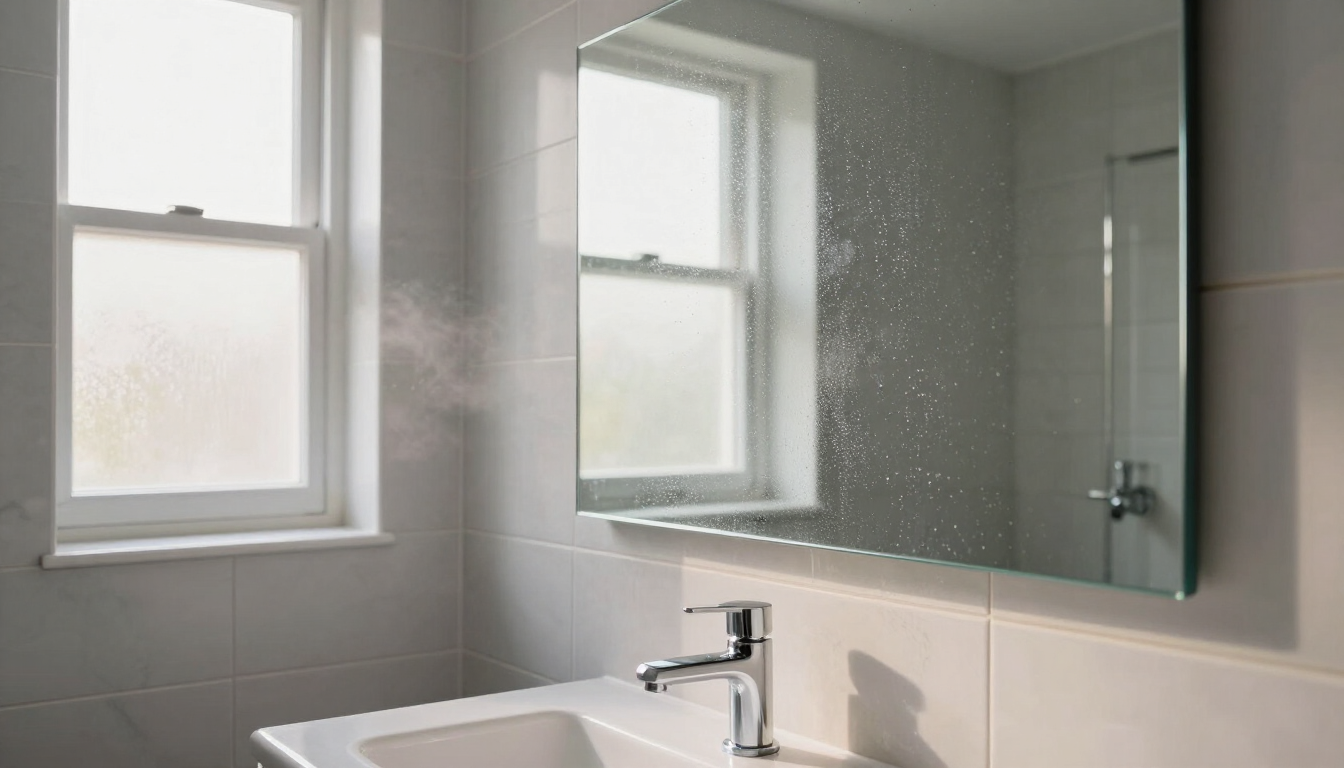
Although winter condensation gets a lot of attention, summer can be just as troublesome. In July, the combination of warm temperatures and frequent shower use can create a very humid environment indoors.
Bathrooms are especially at risk because they often have:
- Limited natural ventilation
- Small windows or no windows at all
- Frequent daily use by multiple people
- Hidden pipework that may contribute to excess moisture if there is a small leak
What looks like ordinary condensation may actually be a sign that your bathroom needs better ventilation or a plumbing check.
Common signs of excess moisture.
It is worth keeping an eye out for early warning signs. The sooner you act, the easier and cheaper the problem is usually resolved.
Look for these issues:
- Condensation lingering on mirrors, tiles, and windows long after use
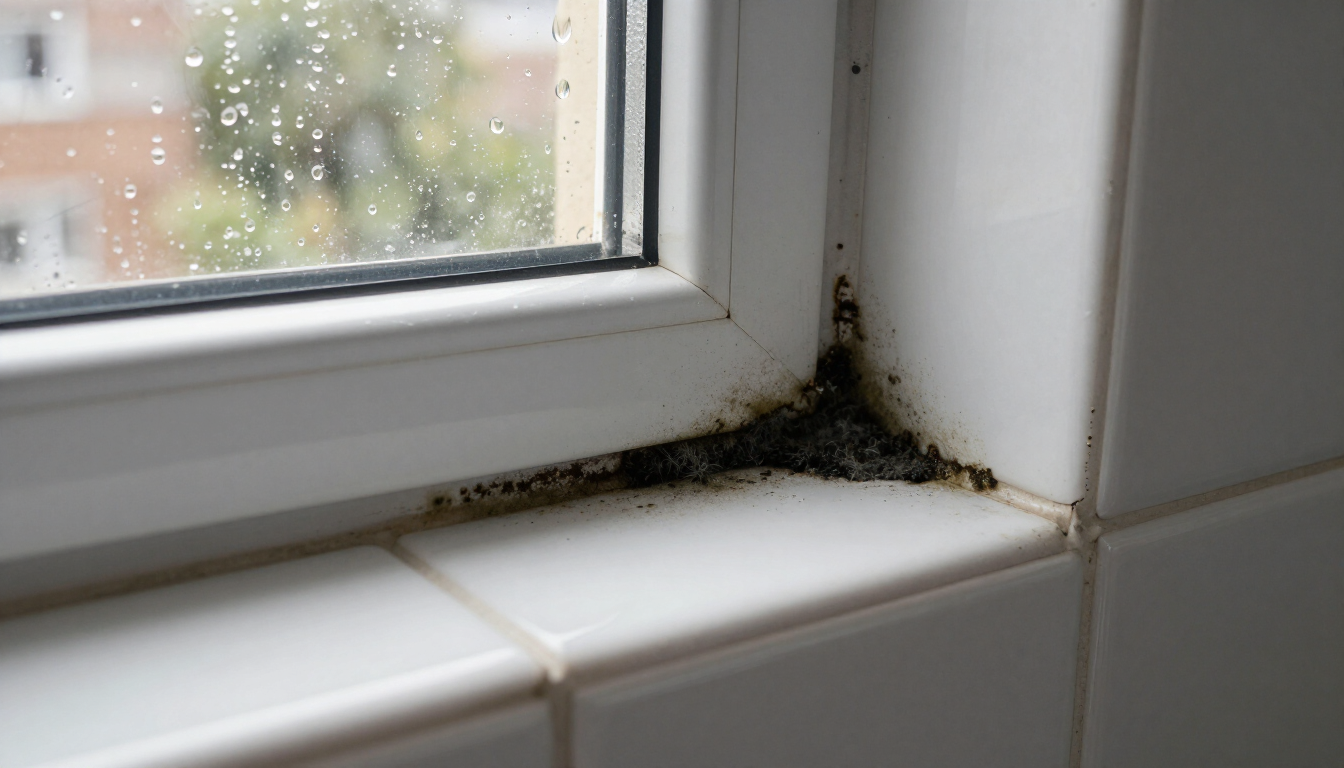
- Black mould around silicone seals, grout, or ceilings
- Peeling paint or wallpaper
- Musty or damp smells
- Water marks on walls or ceilings
- Slow-draining basins, baths, or showers that allow moisture and odours to build up
If you notice any of these, it may be time to review your bathroom plumbing and ventilation setup.
Simple ways to reduce bathroom damp.
The good news is that a few practical steps can make a real difference.
1. Use your extractor fan properly.
If your bathroom has an extractor fan, make sure it is switched on during showers and left running afterwards for at least 15 to 20 minutes. This helps remove humid air before it settles on surfaces.
If the fan is noisy, weak, or not doing much at all, it may need maintenance or replacement.
2. Open windows where possible.
Even a small amount of airflow can help. Opening the window after a shower allows steam to escape and fresh air circulate.
3. Check for hidden leaks
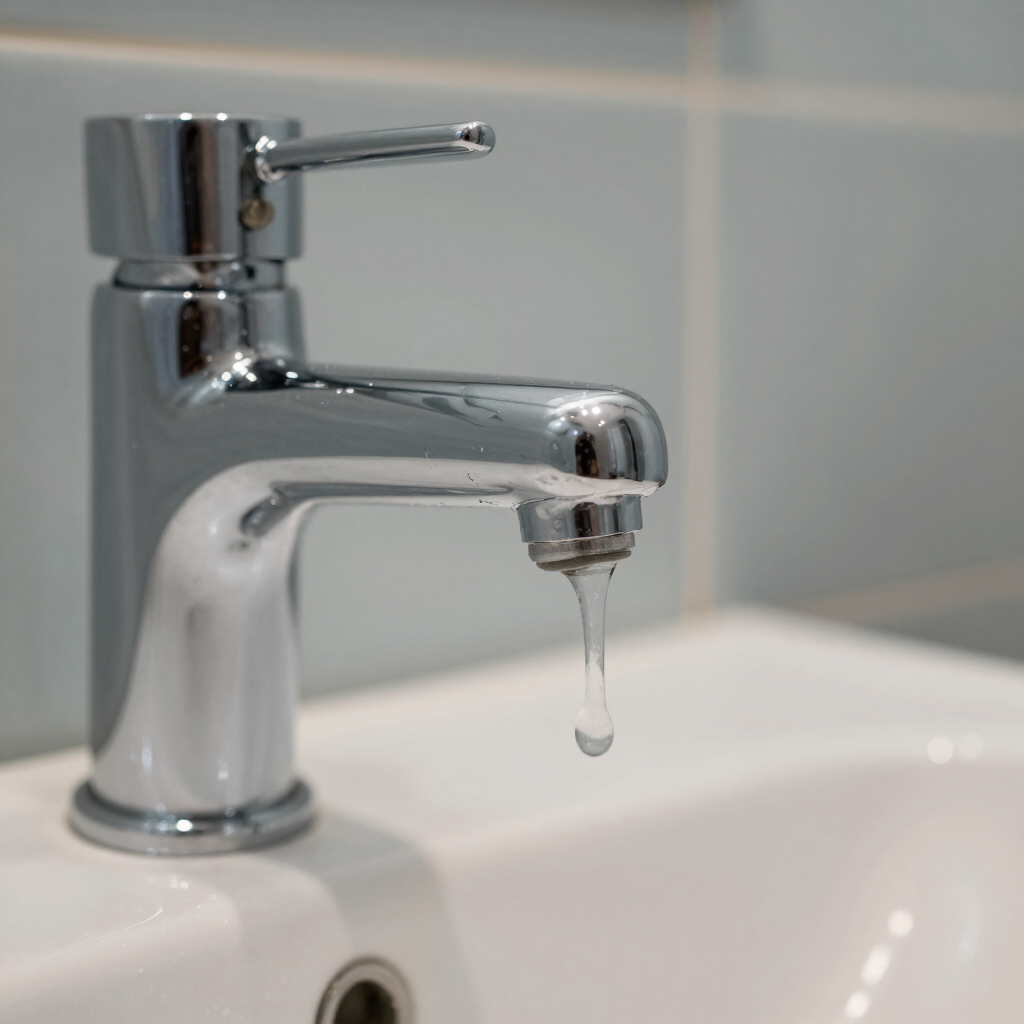
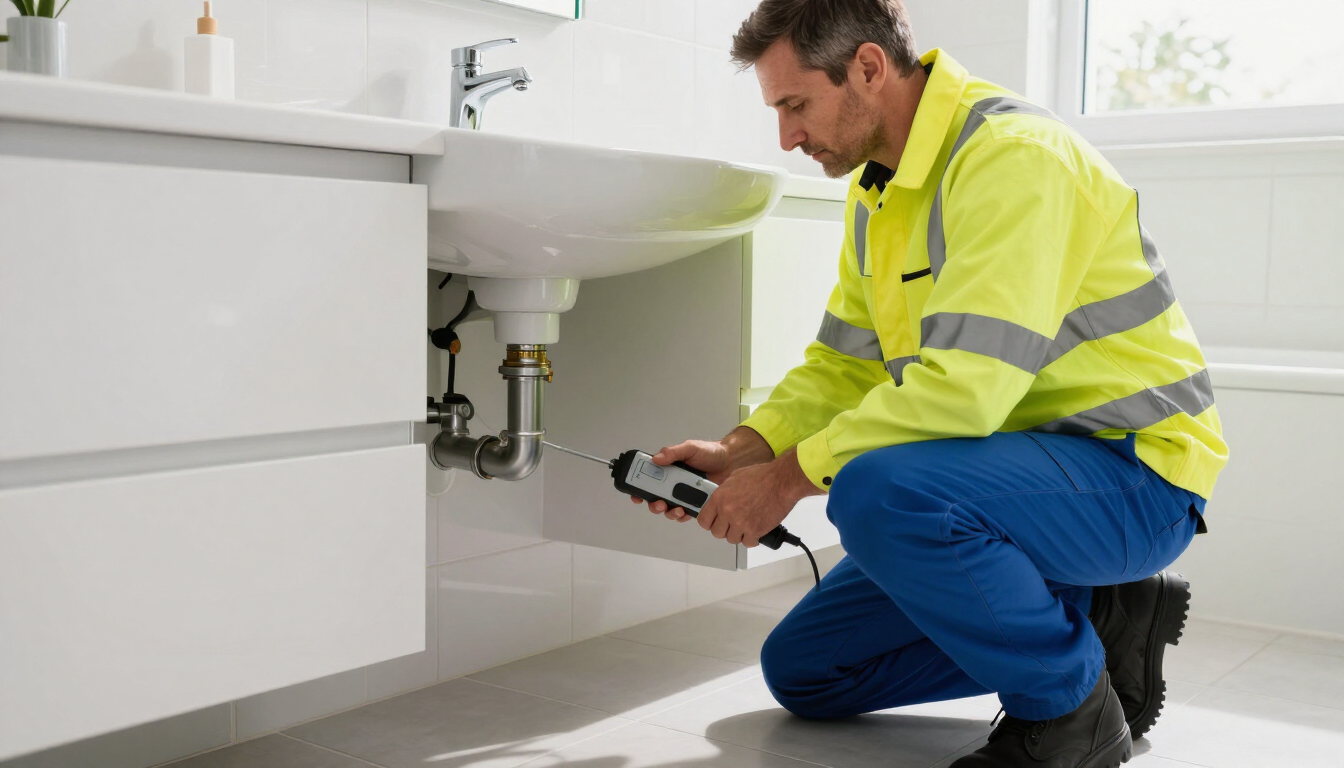
A small leak under a basin, behind a toilet, or around a bath can mimic condensation problems. If damp patches keep returning, the cause may not be steam alone. A qualified local plumber can inspect pipework, seals, and fittings to rule out a plumbing issue.
4. Keep seals and grout in good condition
Cracked silicone or damaged grout can let water seep into walls and floors. Resealing problem areas early can prevent more expensive repairs later on.
5. Clear slow drains
Blocked or partially blocked waste pipes can cause standing water, unpleasant smells, and added moisture. If your sink, shower, or bath is draining slowly, it is best to have it checked before it worsens.
When to call a professional plumber.
Some bathroom damp problems can be improved with better habits, but others need professional attention. If mould keeps coming back, water stains are spreading, or you suspect a leak, it is sensible to get expert advice.
A professional plumbing and heating engineer can help with:
- Finding hidden leaks
- Replacing faulty taps or wastes
- Resealing baths, showers, and sanitaryware
- Investigating poor drainage
- Advising on bathroom upgrades that improve ventilation and water efficiency
Taking action in summer is often easier than waiting until autumn or winter, when damp problems can become much more noticeable.
A healthier bathroom for the months ahead.
A fresh, dry bathroom is not just better for your home. It is better for comfort, cleanliness, and peace of mind too. By tackling moisture issues in July, you can help protect your property and avoid bigger plumbing repairs later in the year.
If you need help with bathroom plumbing, leak detection, or general plumbing and heating advice in the UK, contact Holt Plumbing and Heating. Our friendly team is here to help keep your home running smoothly with reliable, professional service.